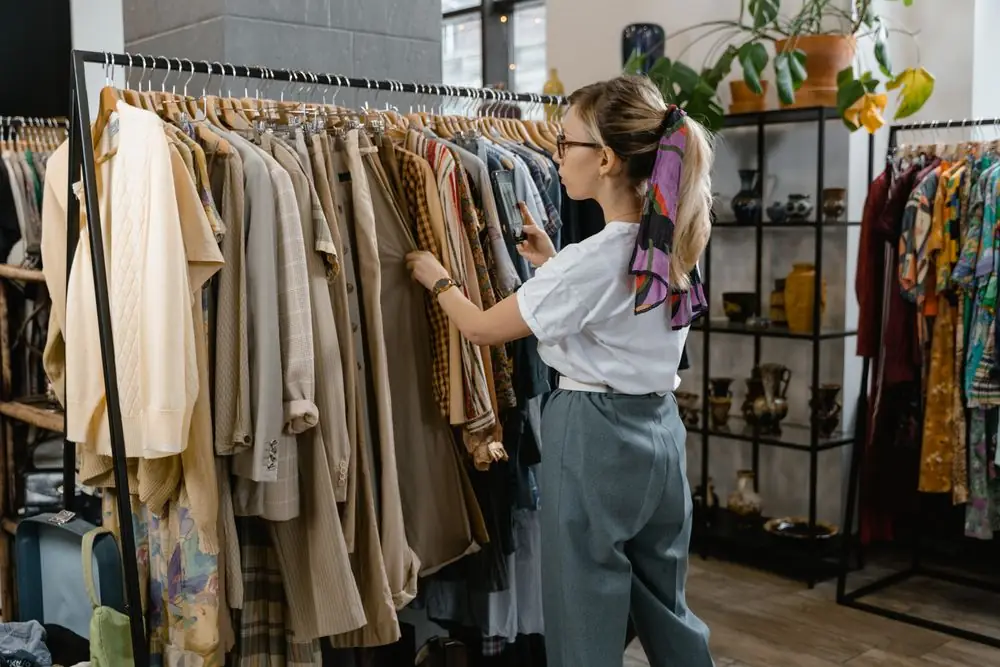
Vintage fashion has moved far beyond dusty thrift racks and forgotten wardrobes. Shoppers now hunt for old Levi’s, retro sneakers, leather jackets, designer bags, and rare pieces that give an outfit some personality. That demand has created a serious opportunity for anyone interested in turning a sharp eye for clothing into a business.
The appeal goes deeper than nostalgia. Many shoppers want distinctive clothes instead of another mass-produced outfit that thousands of people already own. Sustainability also pushes more buyers toward secondhand clothing. Starting a vintage fashion business can tap into both interests, but good taste alone will not keep the orders coming.
Start With a Clear Vintage Fashion Niche

A tighter niche gives customers a reason to remember your name and makes sourcing much easier.
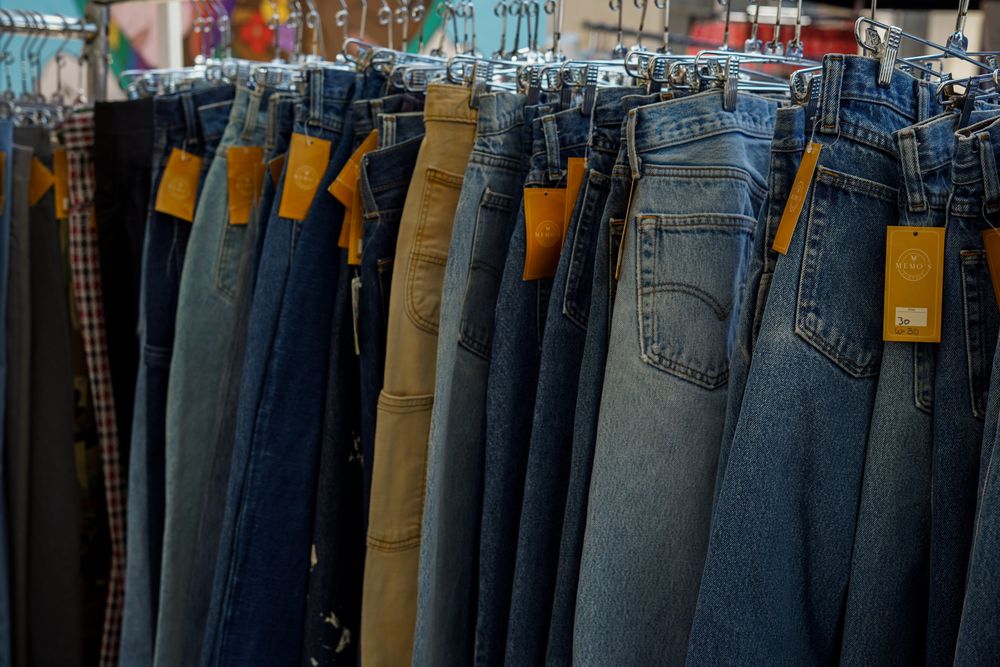
You could focus on 1990s streetwear, Y2K fashion, retro sportswear, luxury handbags, vintage denim, workwear, or designer clothing. Research what buyers search for, but do not chase every viral trend. Pick an area you understand and develop a recognizable point of view around it.
Next, decide who you actually want as a customer. A teenager searching for an affordable Y2K shoulder bag shops differently from a collector hunting for an original designer jacket. Their budgets, expectations, favorite platforms, and reasons for buying vintage will differ.
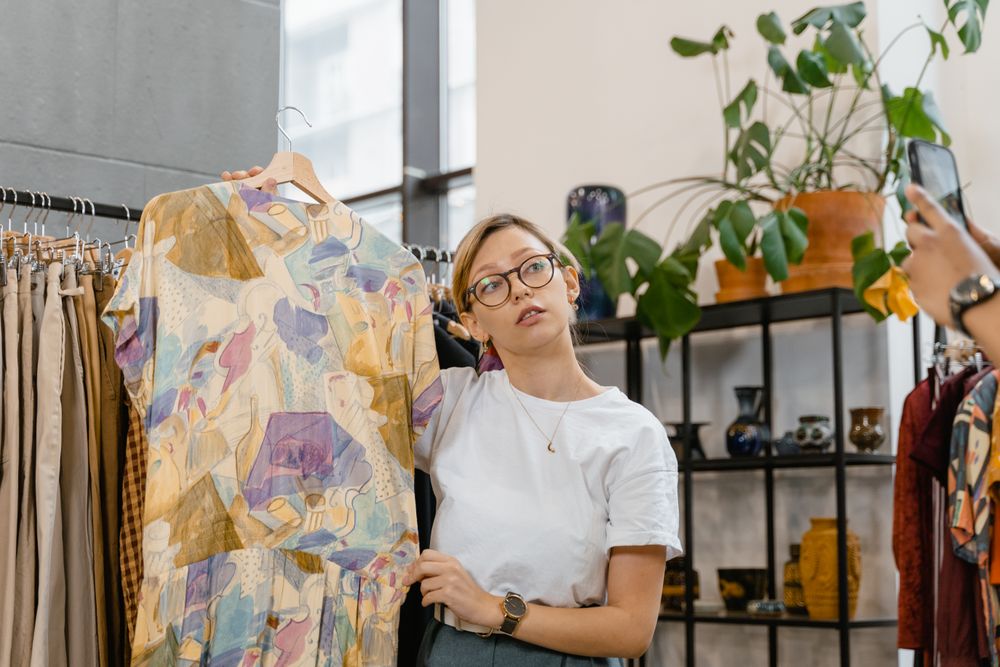
Do not buy an item simply because it looks old. Check stitching, fabric, labels, zippers, buttons, stains, odors, repairs, and overall condition before spending money. Learn how labels changed across decades and study common signs of counterfeit designer goods. Your sourcing knowledge will improve with every buying trip.
Build a Vintage Store People Can Trust
You do not need a physical shop to start a vintage clothing business. Selling online keeps early costs lower and lets you test demand before signing a lease. Marketplaces such as eBay can put your inventory in front of established secondhand shoppers, while your own website can give you greater control over branding.
Start with a manageable amount of inventory instead of buying hundreds of pieces immediately. A smaller collection makes it easier to learn which sizes, eras, brands, and price points sell fastest. Use those early sales as evidence before spending more money on stock.
Product presentation matters because vintage shoppers cannot always find another identical item. Take clear photos of the front, back, label, fabric, details, and visible flaws. Natural-looking lighting and a clean background help customers judge the item without distracting props.
Trust becomes even more important when you sell expensive or rare clothing. Never hide stains, repairs, missing buttons, fading, or other damage. A buyer might accept a worn cuff when you show it clearly, but they will remember a seller who tries to disguise it.
Consider adding services once regular sales start coming in. Repairs and alterations can make damaged pieces sellable again. Remanufacturing can also turn clothing that might otherwise be discarded into distinctive products with a higher perceived value.
Market Your Vintage Business Without Looking Forced
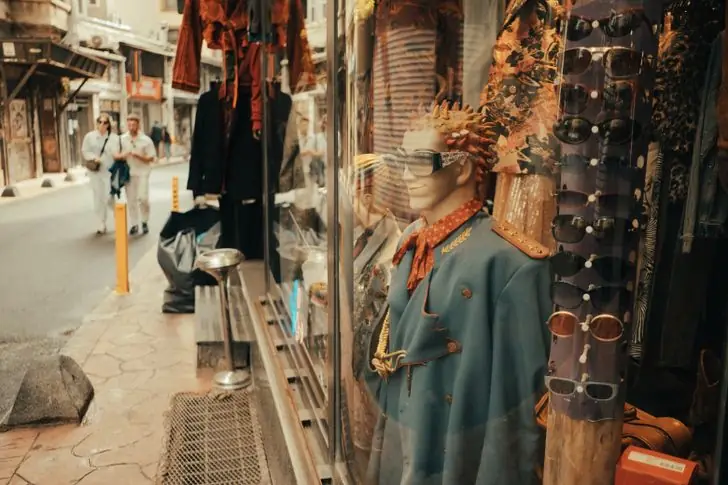
Styling videos, sourcing trips, restoration clips, era guides, and new-stock previews give viewers reasons to follow your account before they are ready to buy.
Short videos work especially well because vintage clothing carries a story. Show how you found a jacket at a market, cleaned it, researched its label, and styled it with modern pieces. That process gives the item character and helps customers understand why it deserves its price.
Search terms matter just as much as attractive content. Use specific language that reflects what customers actually want, such as “1990s vintage denim,” “Y2K shoulder bag,” or “retro leather jacket.” Accurate product titles help marketplace searches and can improve your chances of appearing in Google results.