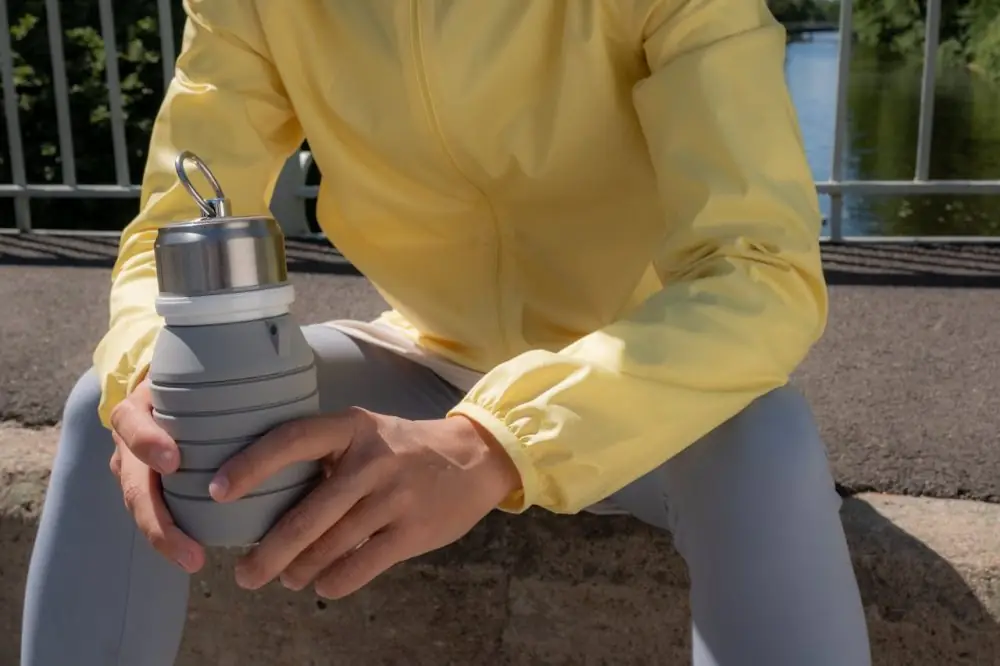
Reusable water bottles weren’t always something people thought twice about. You carried one because it saved money and cut down on plastic. It lived in your bag, picked up scratches over time, and did exactly what it was supposed to do. That version still exists—it’s just no longer what defines the category.
Now, the bottle you carry has presence. It signals something, whether you intend it to or not. A Stanley in a standout color or a muted Hydro Flask doesn’t just serve a function. It suggests awareness—of sustainability, yes, but also of trends and taste.
The shift didn’t happen by accident. It followed the rise of sustainability as both a concern and, eventually, a market opportunity. Brands stepped in with products that didn’t just perform—they looked good doing it. Over time, the bottle stopped being just a tool and became something closer to an accessory.
The change is subtle but meaningful. Bottles are no longer neutral objects. They are observed, compared, and interpreted. That’s typically how status begins to attach itself to everyday items.
Sustainability Started the Movement

Using the same bottle every day can replace hundreds of single-use ones. It’s simple, and the impact feels real, which helps it stick as a habit.
Policies and awareness helped push things forward. As plastic use came under more scrutiny, reusable bottles started to feel like the obvious choice.
But the category didn’t stop there. It evolved—quickly—into something people wanted to upgrade.
Design became the hook. Colors, finishes, limited drops—suddenly, bottles weren’t just useful, they were desirable.
Social media amplified the effect. A bottle placed next to everyday items became part of a curated aesthetic—something clean, minimal, and intentional.
Limited releases added urgency. When a specific design sells out, it creates pressure to buy, even when there’s no real need.
The Hidden Cost of“Better”Bottles
Stainless steel bottles are durable and effective, but they require more resources to produce than simple plastic ones.
That cost only balances out if the bottle is used consistently over a long period. It needs to replace a large number of disposable bottles to offset the resources used to make it.
Frequent replacement disrupts that balance. The more often bottles are upgraded, the less meaningful the environmental benefit becomes.
This creates a disconnect between intention and outcome.
Status, Identity, and Social Pressure
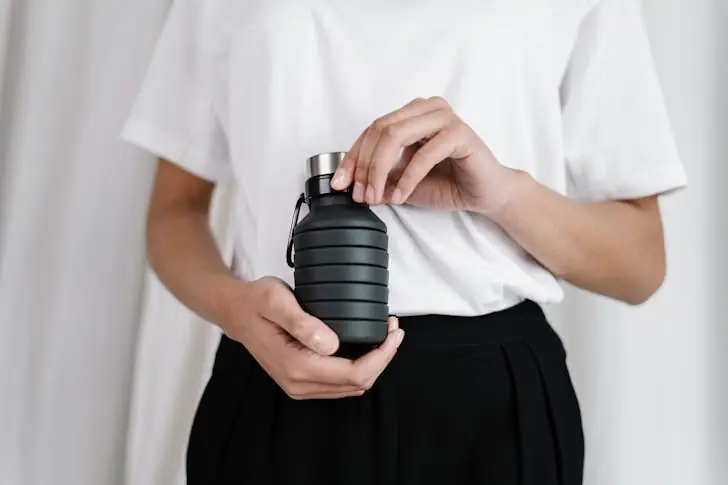
Younger users often feel this dynamic more strongly.
That’s how a simple object becomes a social marker. It reflects taste, awareness, and sometimes even income. Not everyone wants—or is able—to spend more on a bottle, but the expectation can still be there.
At that point, the shift is clear. The bottle is no longer just about hydration—it becomes part of how someone presents themselves.