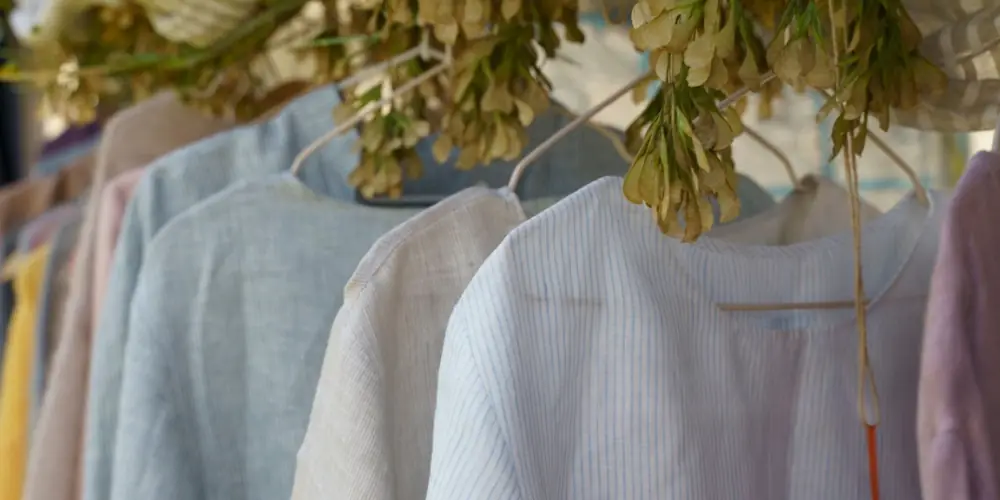
Eco fashion from Africa isn’t just reshaping wardrobes—it’s setting a new standard for what clothing can mean. With a growing demand for sustainability in style, African designers are proving that conscious choices don’t have to compromise boldness or creativity.
Instead, they’re crafting collections that are vibrant, rooted in tradition, and kind to the planet. The movement isn’t about minimalism—it’s about meaning. Color, craft, and care meet in every stitch, creating pieces that reflect a deeper story.
The Rise of Natural Fibers in African Fashion
The shift toward eco materials is visible in the growing use of natural fibers like cotton, hemp, and bamboo. These materials aren’t just environmentally thoughtful—they’re practical, breathable, and designed for real life. Unlike synthetics, which can linger in landfills for decades, these fabrics naturally return to the earth. They’re also less demanding when it comes to water and energy, making them ideal for reducing the overall impact of clothing production.
Designers across the continent are increasingly favoring these low-impact textiles for their versatility and comfort. Each material brings something special to the table—cotton offers softness, hemp adds durability, and bamboo brings a naturally smooth texture that works well in hot climates.
Blending Heritage With Modern Design
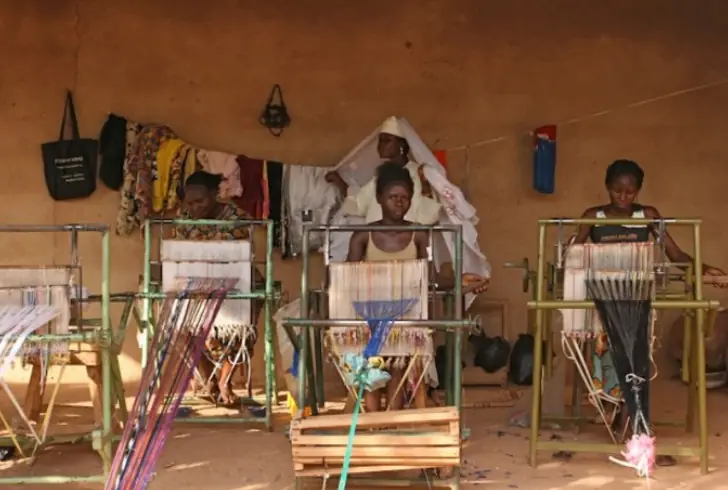
Traditional craftsmanship plays a major role in shaping the identity of eco fashion in Africa. Instead of outsourcing production, many designers work directly with local artisans. These partnerships bring indigenous weaving, embroidery, and dyeing techniques into modern designs, offering something rare in the fashion world—clothing with cultural memory.
These collaborations are more than creative decisions. They sustain entire communities by providing fair income and long-term opportunity. At the same time, they keep traditions alive, ensuring that each garment tells a story of heritage and skill that can’t be replicated by machines.
Making the Most of What’s Already There
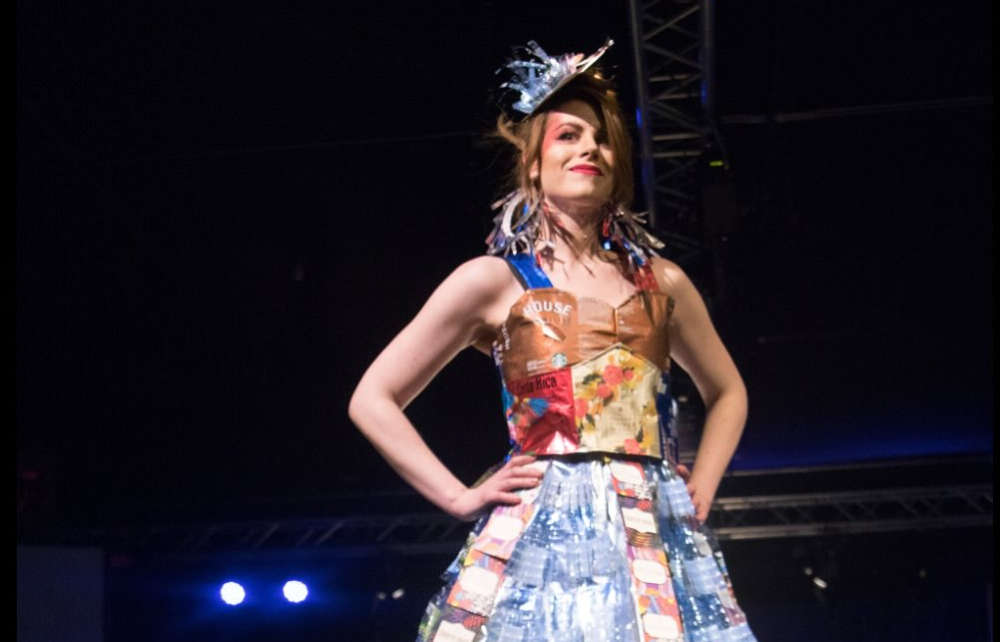
Eco fashion isn’t just about the fabric—it’s about how it’s used. Upcycling is one of the most inventive approaches gaining ground in African design circles. Discarded fabric, deadstock materials, and even old garments are being transformed into fresh, standout pieces. It’s a practice that turns waste into wearable art, without sacrificing quality or style.
Every garment made from upcycled fabric carries a history. It might be a patchwork dress created from leftover batik prints or a jacket constructed from factory offcuts. These are one-of-a-kind items, designed to reduce textile waste while creating something entirely new.
Rethinking How Clothes Are Made
Eco fashion from Africa is also defined by its ethical backbone. Transparency and fairness run through every part of the process—from where materials come from to who makes the clothes. Safe work environments and fair wages are seen as non-negotiable. This level of care helps prevent the kind of exploitation that too often shadows the fashion industry.
Unlike mass production systems, these smaller-scale operations prioritize people over profit. The focus isn’t just on doing less harm—it’s on creating real, lasting benefits for the communities involved. This philosophy makes eco fashion not just a trend, but a more responsible way forward.
Why Eco Fashion Is Gaining Ground
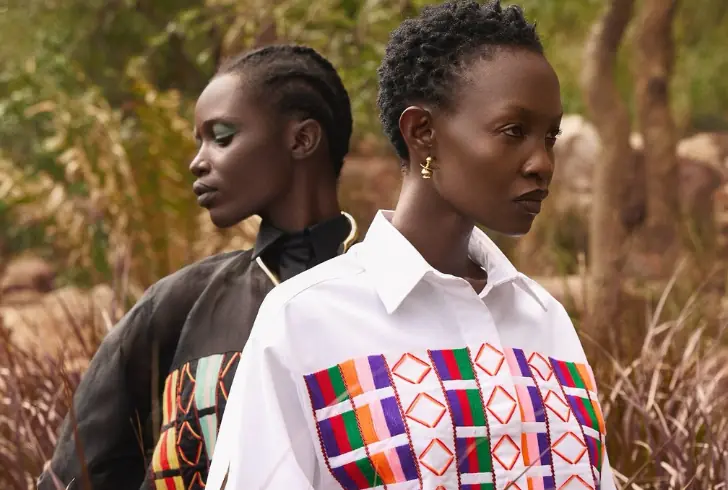
African eco fashion is growing not just because it’s sustainable—but because it offers something fashion often forgets: soul. These are clothes made with intention, rich in culture, and grounded in the present. They tell stories of people, places, and principles—while still delivering style that turns heads.
As global shoppers start to question how and where their clothes are made, eco alternatives offer a fresh answer. They’re not just wearing garments—they’re choosing values. And African designers are leading the way by proving that style can carry substance, too.
A Smarter, Greener Future for Fashion
Fashion that supports the planet and honors people isn’t a distant dream—it’s already here. With eco fashion taking center stage across Africa, it’s clear that sustainability doesn’t have to be subtle. It can be bold, expressive, and full of color.
From natural fibers and artisan partnerships to upcycled creativity and ethical standards, eco fashion is setting new expectations—and raising the bar for what style can achieve. As more people turn toward choices that matter, the future of fashion looks more thoughtful, more connected, and far more eco.