The definition of beauty has expanded. It’s no longer limited to how we look—it’s about sustaining health, confidence, and vitality over decades. Shoppers increasingly expect their routines to deliver aesthetic benefits while contributing to overall wellness.
This has brought a new emphasis on durability in beauty, marrying skincare with scientific approaches that help skin remain strong and luminous well into the future.
Preventative strategies now take center stage, addressing the root causes of aging. Whether through advanced serums, targeted treatments, or nutrition, consumers want solutions that work beneath the surface: stimulating collagen, balancing the microbiome, and protecting cells from oxidative damage.
Instead of leaning on a single “anti-aging” product, people are embracing holistic systems that integrate food, supplements, and skincare into daily life.
The Rise of Preventive Beauty
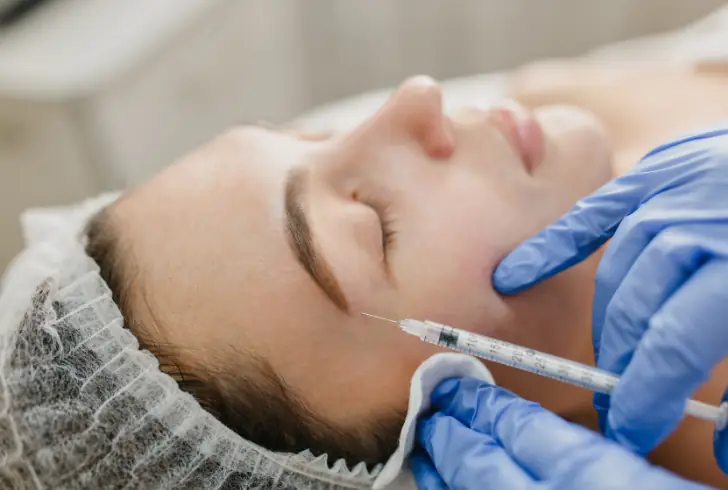
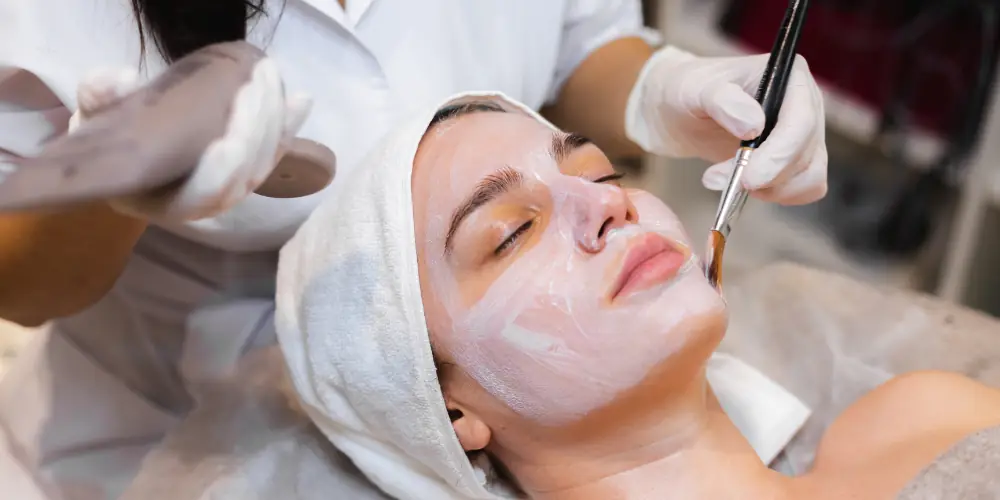
Preventive beauty emphasizes maintaining skin health before age lines appear. Treatments such as mesotherapy—tailored injections of vitamins, enzymes, or botanicals—are growing in popularity for boosting elasticity and even encouraging hair growth.
Dermal fillers, once associated mainly with volume, are now part of full-face balancing, enhancing natural proportions while keeping harmony intact.
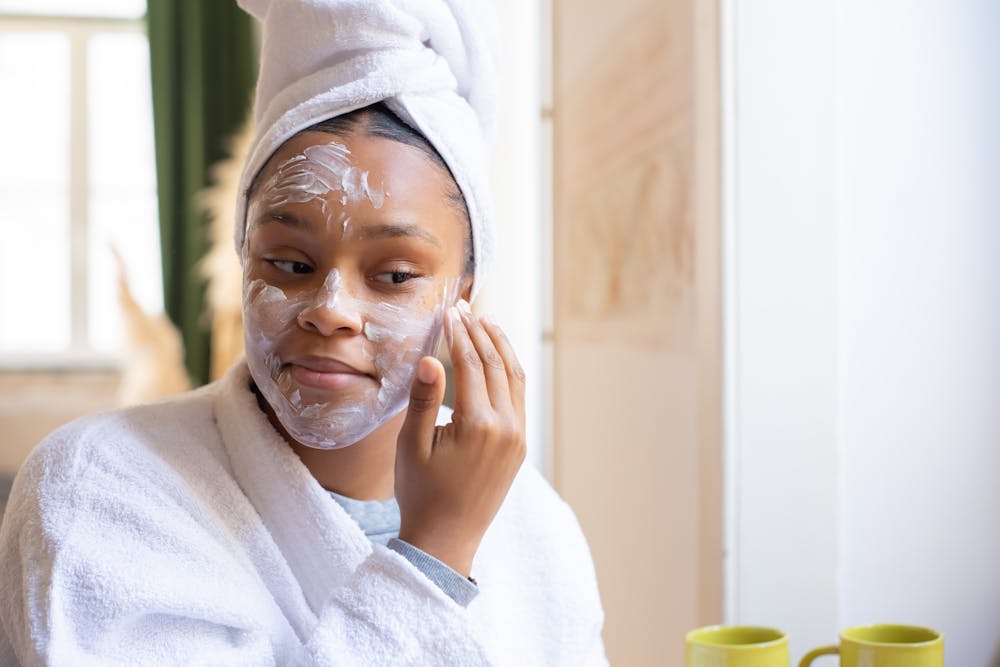
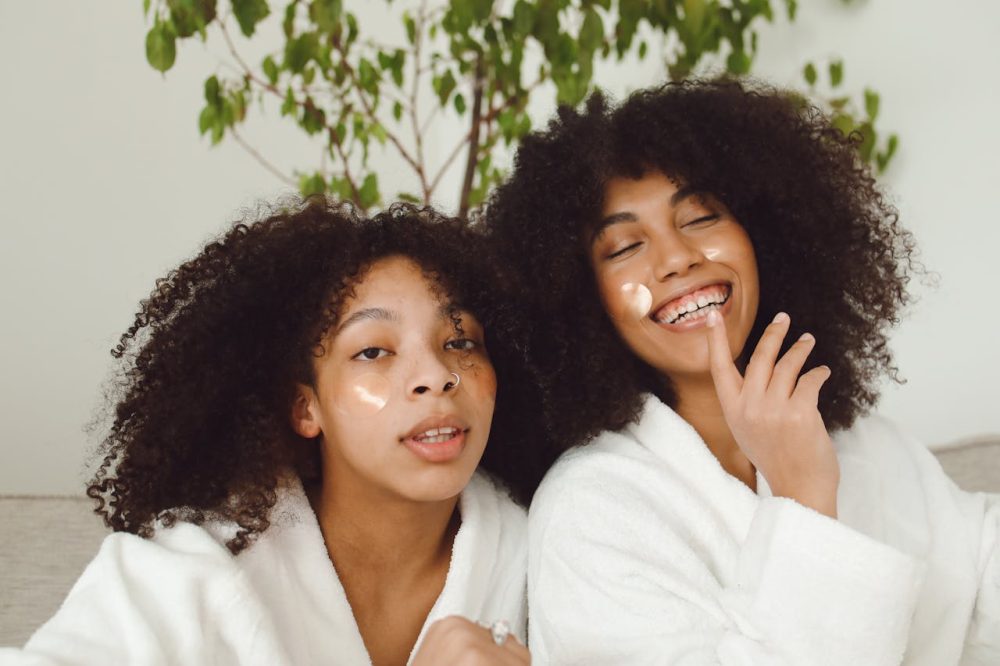
At the same time, topical products are being paired with ingestible supplements like antioxidants, collagen boosters, and vitamins, reflecting a move toward whole-body support. The goal is less about dramatic transformations and more about maintaining a healthy, natural glow year after year.
Meeting Consumer Expectations
As beauty merges with wellness, efficacy and safety have become top priorities. Products must deliver measurable results, or consumers are quick to move on.
Transparency in sourcing, rigorous quality control, and adherence to regulatory standards are now key factors in building trust.
In regions like the UK and EU, dermal fillers and mesotherapy products are regulated as medical devices, requiring compliance with good manufacturing and distribution practices.
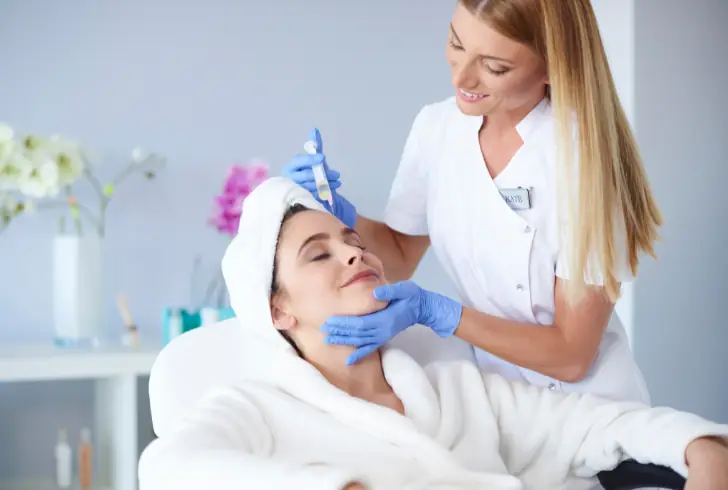
Every product is designed to hold its effectiveness from creation to end use. That requires secure supply chains and transparent processes. Proper handling, storage, and certification don’t just protect product integrity—they also reassure consumers that their treatments are trustworthy. CE certification and routine factory inspections strengthen this confidence, ensuring brands remain accountable to high standards.
Adapting to Holistic Consumer Needs
Modern beauty brands are increasingly shaped by wellness-minded customers. The trend is toward multi-layered solutions that merge topical skincare, ingestible supplements, and specialized therapies, creating a more well-rounded approach.
What was once just about surface-level results now ties into whole-body wellness—maintaining youthful skin while also supporting broader health goals.
The shift also encourages customization. Shoppers expect routines to fit their unique biology and lifestyle, favoring natural, lasting outcomes over short-term fixes or unrealistic ideals.
Beauty as a Long-Term Commitment
The meaning of beauty is expanding. It’s no longer just about looks—it’s about nurturing well-being, vitality, and confidence through every stage of life. By committing to safety and effectiveness, the industry is aligning with these values.
Looking ahead, beauty will be defined by personalized solutions that blend innovation, wellness, and prevention—making it possible to age gracefully and maintain vitality at every stage of life.