us, Brand loyalty used to mean something. Shoppers picked their favorite cereal, coffee creamer, or frozen pizza and bought it every week without thinking twice. That pattern is fading fast in 2026.
Today’s grocery shopper feels drained before they even enter the store. Rising living costs, job worries, shrinking benefits, and endless price changes have turned shopping into a stressful task. People are no longer browsing for fun or hunting for exciting new products. They want quick decisions, lower bills, and less mental work.
The latest Shopper Pulse Survey from the Path to Purchase Institute makes one thing clear. Grocery shopping has entered its “utility era.” Consumers now care more about saving money and reducing stress than building emotional ties with brands.
Grocery Shopping Feels Like Mental Work

Modern grocery stores throw thousands of choices at shoppers every trip. Different sizes, rotating discounts, digital coupons, loyalty apps, and confusing promotions create constant decision fatigue. Many people simply do not have the energy for it anymore.
Nearly 20% of shoppers now describe grocery shopping as “complicated” or “overwhelming.” That number says a lot about the emotional state of consumers in 2026. Shopping no longer feels routine. It feels like a puzzle people must solve under pressure.
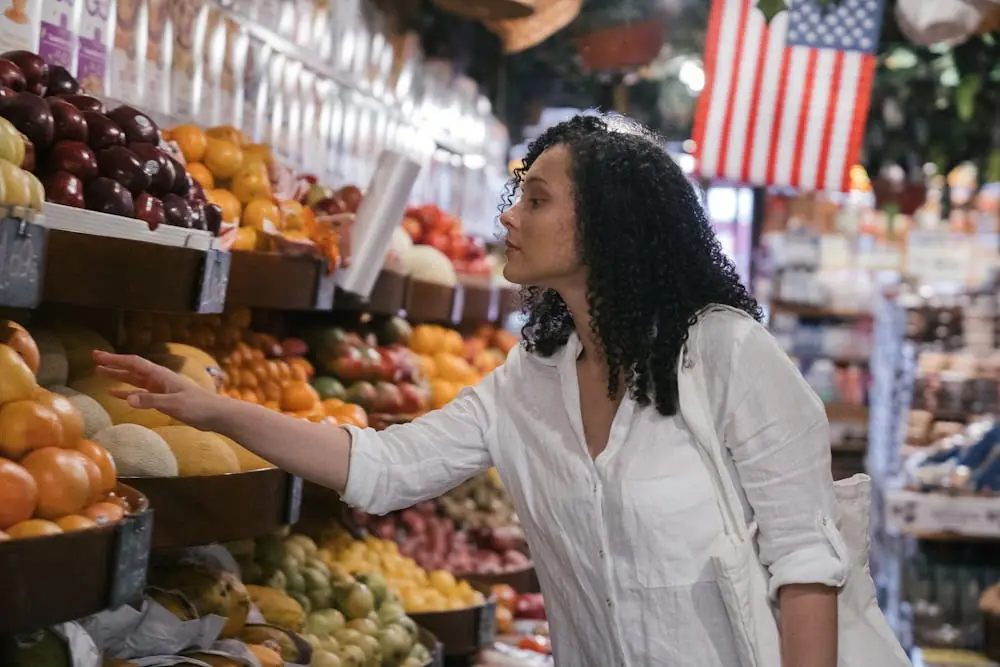
This mental overload is changing buying behavior in a major way. Consumers are skipping long browsing sessions and walking into stores with strict plans. They know what they need, how much they want to spend, and how fast they want to leave.
That shift explains why shoppers are making more store visits while spending less time inside each one. Smaller baskets and targeted purchases have become the norm. Wandering through aisles and discovering new brands sounds exhausting to many shoppers right now.
Deals Matter More Than Loyalty
The biggest change in 2026 is not just about spending habits. It is about trust. Consumers no longer believe loyalty automatically pays off. The Shopper Pulse Survey found that 94% of consumers compare prices before arriving at the store. That means shoppers are researching deals ahead of time and entering stores prepared to switch products if needed.
Nearly half of shoppers said they would abandon their preferred brand or buy a different pack size to get a better value. Only 6% refused to make trade-offs. That is a dramatic warning sign for brands that once depended on habit and familiarity.
Price sensitivity remains high even though food inflation has slowed compared to previous years. Consumers still feel financially squeezed. Perception matters more than statistics. If shoppers feel anxious about money, they shop defensively.
Loyalty programs still matter, but only when they offer immediate rewards. Consumers respond to member-only pricing, fast discounts, and promotions that are easy to understand. Complex point systems and delayed rewards no longer create excitement.
Shoppers want instant value. They want proof that sticking with a retailer actually helps them save money today, not months later. Clear signage, digital discounts, and visible savings now influence purchasing decisions more than polished branding campaigns. Convenience has become more persuasive than emotional attachment.
Technology Must Reduce Stress
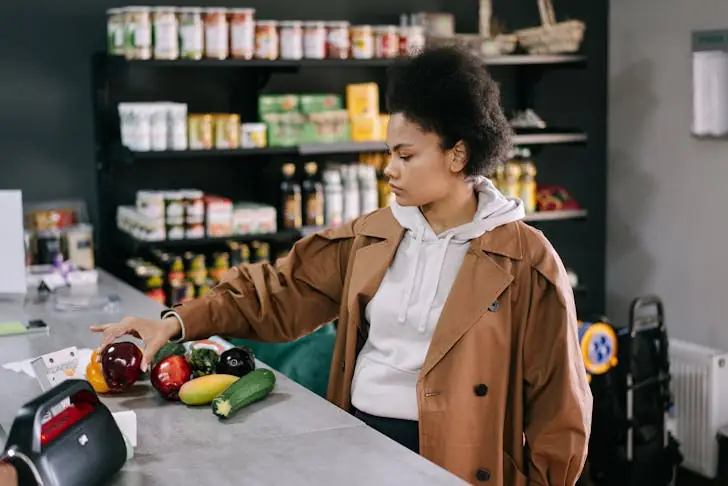
The survey shows that consumers prioritize three things above everything else. Finding the best value, saving time, and managing a budget.
Features like product discovery and sustainability tracking matter less right now because shoppers are focused on survival mode spending. That does not mean people stopped caring about wellness or ethical choices. It simply means financial pressure is taking priority.
Consumers now want technology that removes friction from the shopping process. They want automatic coupon clipping instead of manually searching for deals. Plus, they want store navigation tools that help them find products quickly. They want self-checkout systems that actually work without causing delays.